Healing takes courage, and we all have courage, even if we have to dig a little to find it.

Tori Amos

About Healing Self Counselling
Individual counselling can be a wonderful way for people to heal themselves from trauma, emotional pain, loss and grief with a supportive, guiding hand, helping to cheer us on. I love to help people to find the strength inside themselves to heal from their own life struggles, whatever this maybe from grief, loss, pain, trauma, neglect, abuse, depression, anxiety or childhood trauma.
I have extensive experience supporting many people from young adults to elderly adults by providing a supportive hand to walk alongside them as they find their own unique strength to heal from their own painful life changes and experiences.
My Wangaratta office is centrally located in North East Victoria and I can support clients travelling from Benalla, Yarrawonga, Rutherglen, Beechworth, Myrtleford, Bright, Moyhu and Whitfield. Online sessions are also available on request.
Service and experience
I am an accredited Social Worker (Bachelor of Social Work) completed in 2004 and registered with the Australian Association of Social Workers since I qualified and in 2022 I completed my Graduate Diploma in Counselling and I have been counselling for over 6 years working with young to elderly adults, men, women, LGBTQ+ people, Indigenous people and people from Culturally and Linguistically Diverse backgrounds (CALD), those who have various disabilities (cognitive, sensory and physical), people experiencing various mild to chronic health conditions, neuro-divergent people and people experiencing mild to moderate mental illnesses.
I am registered with the EMDR Association of Australia and underwent EMDR (Eye Movement Desensitization Reprocessing) training in 2022. This has enabled me to provide EMDR therapy to adults of all ages wishing to heal from various forms of trauma including: relationship abuse, complex childhood trauma and abuse, complex grief and loss, and other trauma experiences such as emergency services trauma.
I have been counselling women of all ages and walks of life healing from relationship violence, sexual assault and childhood trauma in my role as a Social Worker and generalist counsellor. I have also counselled people recovering from alcohol and drug addictions. I have also counselled many carers experiencing the stress, loss, burn out and grief of caring for a loved one, including caring for elderly parents, children with lifelong disabilities and adult children experiencing Mental Illness
I have been providing clinical supervision to other practitioners, Counsellors and students (including Social Work and counselling students) for over 2 years. I also offer couples and relationship therapy trained in Emotion Focused Couples Therapy (EFCT)

Modalities
There are many pathways to healing, and with my experience, training, and support, I work collaboratively with each person to find the approach that best suits their unique needs and circumstances. My goal is to help clients achieve meaningful, positive, and lasting outcomes that support their wellbeing and personal growth. I am trained in and draw upon a range of evidence-based and therapeutic modalities, including:
- Eye Movement Desensitization Reprocessing (EMDR)
- Person-Centred Therapy
- Strengths-Based Approaches
- Mindfulness Body-Based Practice
- Acceptance and Commitment Therapy (ACT)
- Cognitive Behavioural Therapy (CBT)
- Creative Therapies
Trauma and EMDR
A traumatic event is an experience involving actual or perceived threat, harm, or extreme distress, where a person may feel intense fear, helplessness, or other strong negative emotions. This can include, Sexual assault or rape, Domestic violence, Armed robbery or holdups, Motor vehicle accidents, Witnessing a sudden or violent death, Natural disasters, War or armed conflict and emotional abuse.
Traumatic memories often feel different from ordinary memories. During a traumatic event, the body releases stress-related chemicals such as adrenaline. These chemicals affect how the brain processes and store the experience, causing the memory to be stored in a way that is often more vivid, emotionally intense, persistent and can seem more real than everyday memories that do not carry a strong emotional impact. As a result, traumatic experiences can sometimes be recalled with powerful intense emotions, physical reactions and sensations, or intrusive memories long after the event has ended. For some people traumatic memories can lead to longer -term mental health conditions such as anxiety, depression and Post Traumatic Stress Disorder (PTSD)
Eye Movement Desensitisation and Reprocessing (EMDR), is a psychotherapy developed by Francine Shapiro in 1987. EMDR is now widely recognized as a leading evidence-based treatment for trauma and PTSD, including recognised by the World Health Organization (WHO)
EMDR was developed after observations and research by Dr. Shapiro and has been extensively studied since. During treatment, clients deliberately recall a traumatic memory, including:
- Sensory details of the event
- Thoughts associated with the event
- Emotions that arise
- Physical sensations in the body
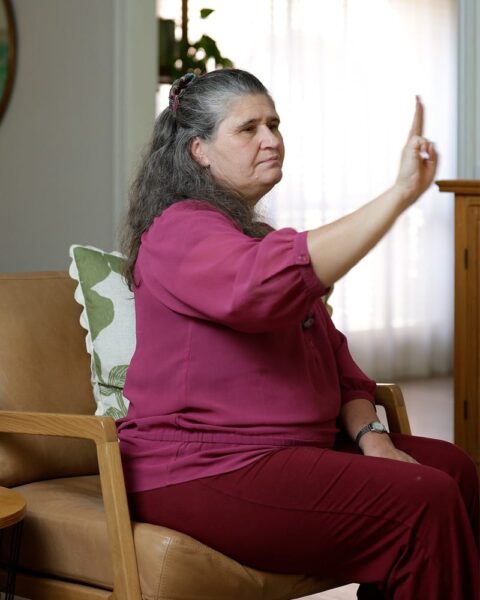
While focusing on the memory, clients follow the therapist's moving fingers with their eyes, creating rapid eye movements for short periods (typically around 30 seconds). These eye movements are associated with changes in brain activity, particularly in the areas of sensory processing and memory storage, emotional activation, reasoning and cognitive processing. The altered pattern of brain activity is thought to help the brain reprocess traumatic memories, reducing their emotional impact and helping them become less distressing or intrusive.
Many people after having EMDR report experiencing much less distressing emotions in recalling the memory in the future, sometimes even finding it more difficult to recall the memory later. Some report a significant reduction in flash backs, nightmares, and distressing bodily sensations attached to the memory.
One or more sessions is required to understand the client history, ascertain whether this is the most appropriate therapy, explain EMDR and give the client a chance to ask questions.
Graham Taylor, Clinical Psychologist (2014) and EMDR Association of Australia (EMDRAA)

Couples Therapy
Seeking couples counselling can feel daunting, especially during times of conflict, disconnection, or emotional pain. It takes courage for couples to pause, reflect, and seek support together. Using Emotionally Focused Couples Therapy (EFT), I support couples to strengthen emotional connection, improve communication, and rebuild trust in a safe and supportive space.
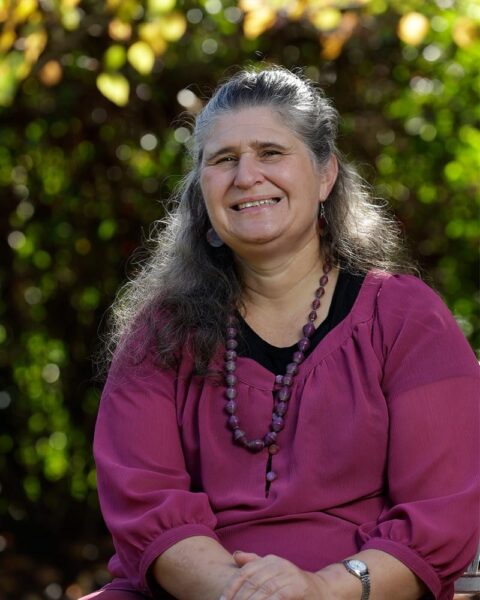
About Dianne
Living in a rural community such as North East Regional Victoria can be incredibly rewarding, but it can also make accessing quality mental health support challenging. Committing to counselling or therapy can feel confronting, especially when services are limited or hard to reach.
I believe everyone has the inner strength to heal, and sometimes we need extra support to rediscover that strength. Counselling offers a safe and confidential space to explore pain, grief, and life’s challenges at your own pace.
Having lived and worked in rural Victoria all my life with my family, I understand the unique pressures faced by rural individuals and families.
I can provide counselling and therapy for individuals (adults of all ages and children from 4 to 12 years) and couples. Face-to-face counselling sessions in Wangaratta, Vic are available and I also provide online counselling and therapy sessions for those either outside the North East, or unable to travel, making support more accessible no matter where you live.

Contact
Healing Self Counselling is located at 25 Ely Street, Wangaratta
To book a private and confidential counselling appointment at my Wangaratta office or online, or to find out more information about me and the services I offer please call me, Dianne on 0477052363 or fill out the form below to send me an email.
Please note that I am not Medicare registered so I cannot provide therapy on a Mental Health Care plan. My hourly rate is, however, competitive and my online counselling is equivalent to the gap charged after the Medicare rebate is provided by some therapists.
Crisis Support
In an emergency, please ring 000 or contact the following crisis counselling supports which are available 24/7: